E-COMMERCE PPC AGENCY
E-commerce PPC built around profit, not just revenue.
Google Shopping, Performance Max and paid social for online retailers, run by someone who spent over a decade running paid media inside AO.com and Matalan. We structure spend around margin, so your budget follows the products that actually make you money.
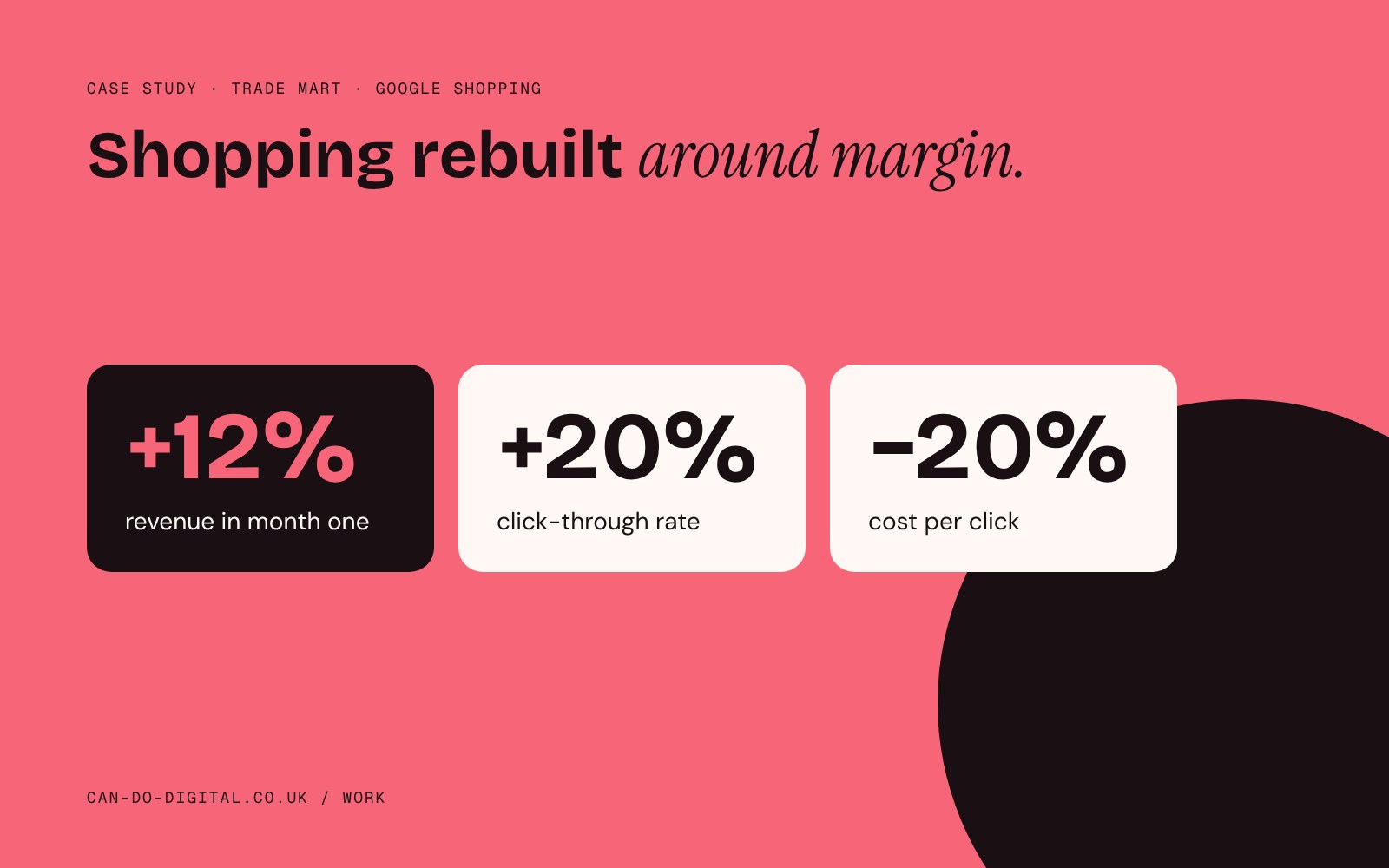
+12%
revenue in month one after a margin-led Shopping rebuild
TRADE MART
+20%
click-through rate on Shopping
TRADE MART
−20%
cost per click through a CSS partnership
TRADE MART
−56%
Meta CPM on the campaign that sold out the Australia tour
MAKER & SON

RETAIL, FROM THE INSIDE
We’ve sat on your side of the table.
Before Can-Do, Chris Nightingale spent over a decade running paid media inside two of the UK’s biggest retailers.
AO.com · Digital Marketing Director
The FTSE 250 online electrical retailer with revenues over £1 billion. Building teams, running paid media strategy at scale, and representing AO at Microsoft Advertising panels and industry events.
Matalan
Managing digital at one of the UK’s biggest fashion and homeware retailers.
So we think in margin, stock, returns and peak trading, not just ROAS. And the person who plans your account is the person who runs it.
THE PROBLEM WITH ROAS
Same ROAS. Very different profit.
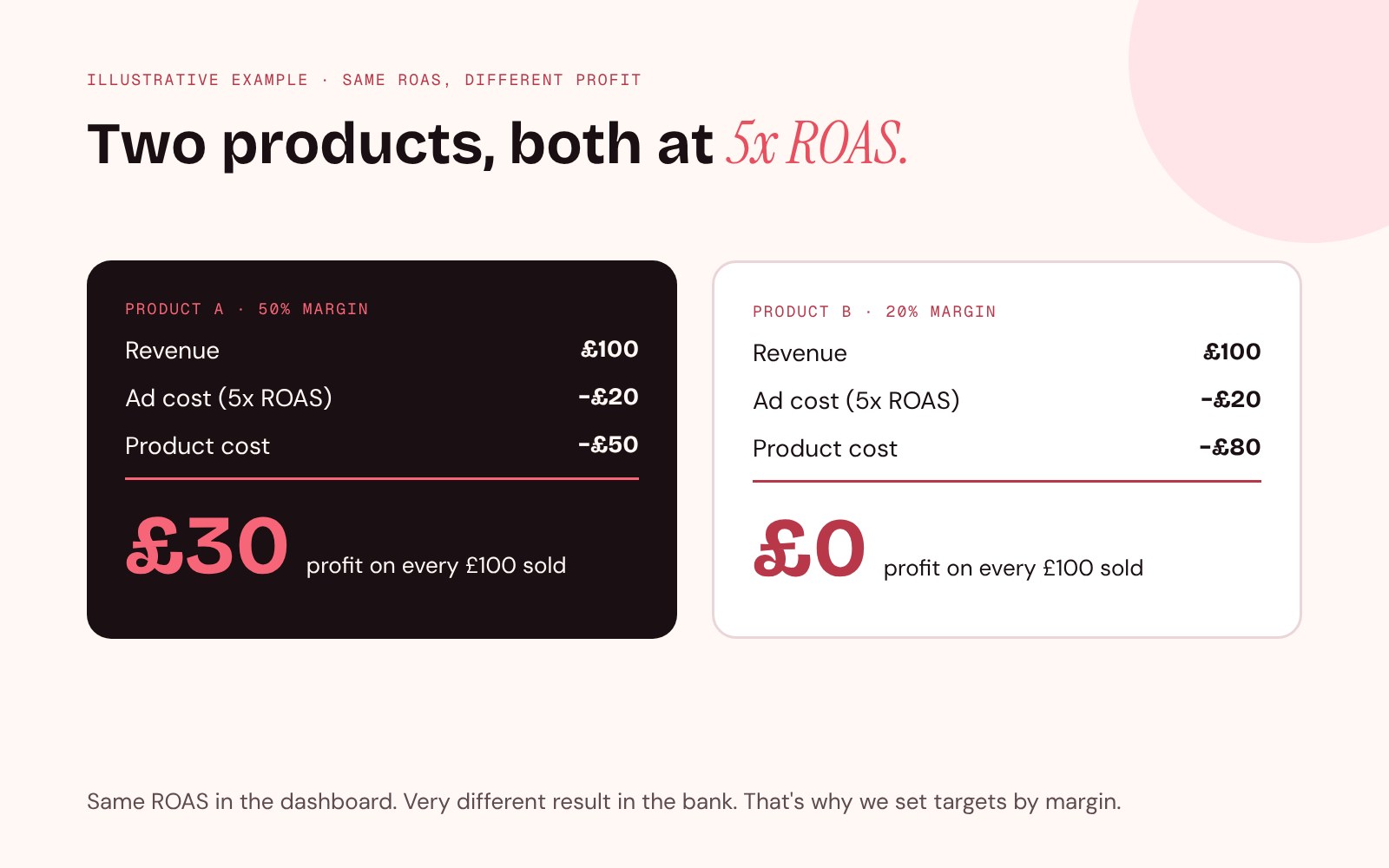
Most Shopping accounts chase one ROAS target across the whole catalogue. But a 5x ROAS on a 50% margin product makes money. The same 5x ROAS on a 20% margin product just breaks even.
So we group products by margin and set targets for each group. Budget goes where it earns, and your reports show profit, not just revenue.
60-SECOND SELF-CHECK
Is your account leaking?
Six questions we ask in every e-commerce audit. Tap one to see why it matters.
1. Do Google’s purchase numbers match your store’s orders?
If conversions are counted twice, or soft actions count as sales, bidding chases sales that never happened. We check tracking against real orders before we optimise anything.
2. Does every product share one ROAS target?
Then low-margin lines are probably eating budget your best sellers need. Margin-based groups fix that.
3. Do you know which products spend without selling?
Those are your villains. In most catalogues a handful take a big share of spend and return very little.
4. Is Performance Max buying your brand searches?
People searching for your name would probably have found you anyway. If PMax claims those sales, its results look better than they are.
5. When did someone last improve your product feed?
Titles, attributes and custom labels decide which searches your products show for. A neglected feed quietly limits everything else.
6. Is your Black Friday plan set before November?
Budgets, targets and offers set late mean paying peak prices without peak results. And targets left loose afterwards waste January.
Answered “not sure” to any of these? That’s what the free audit is for →
ZOMBIES AND VILLAINS
Every catalogue has four kinds of product.
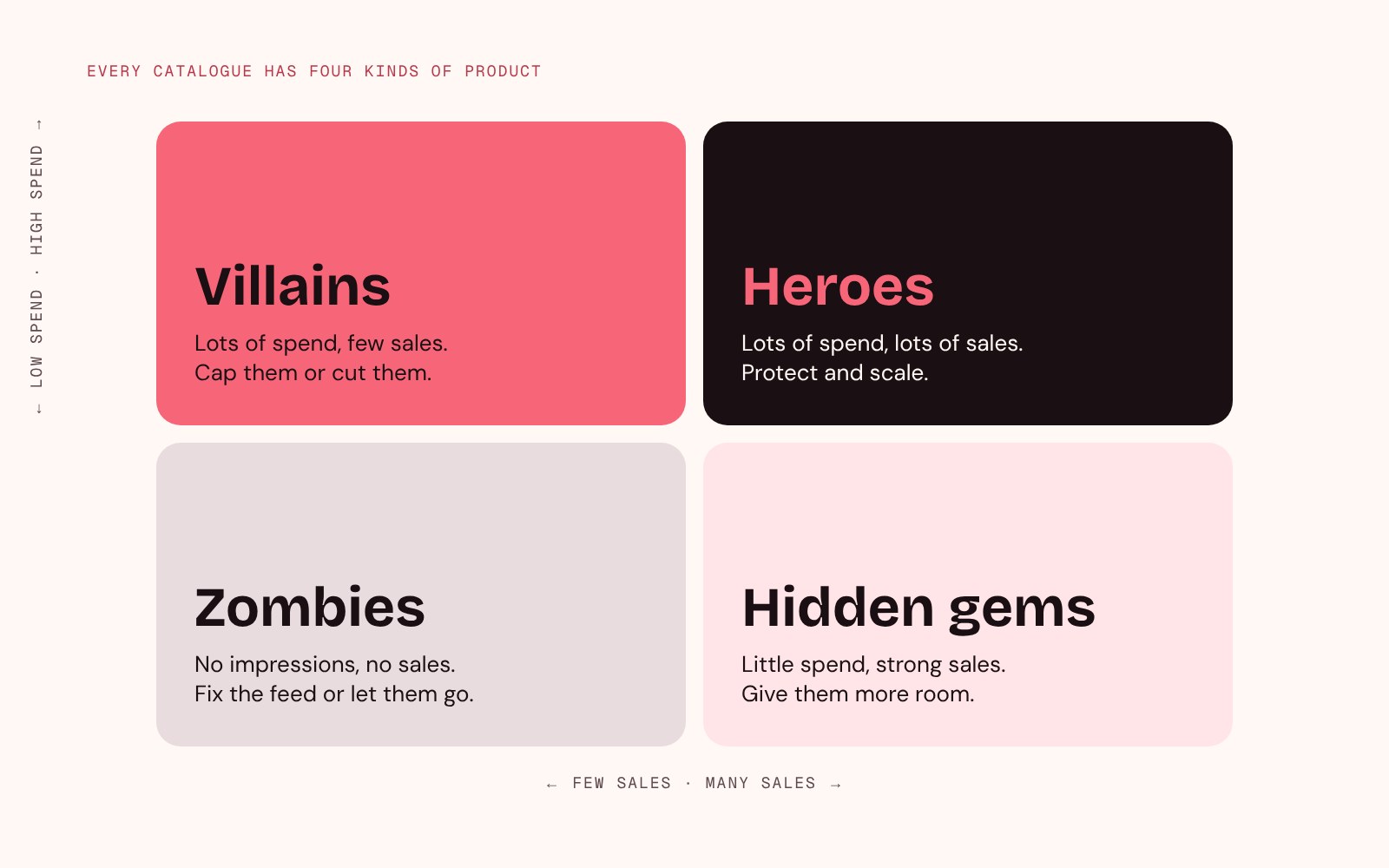
Villains spend heavily and sell little. Zombies barely get seen. Heroes do the heavy lifting, and hidden gems sell well on almost no budget.
We sort your catalogue into all four, then move money from the villains to the heroes and hidden gems, and fix or drop the zombies.
Read: how much budget goes on zombies and villains →WHAT WE DO
Built for online retailers
01
Margin-led Shopping
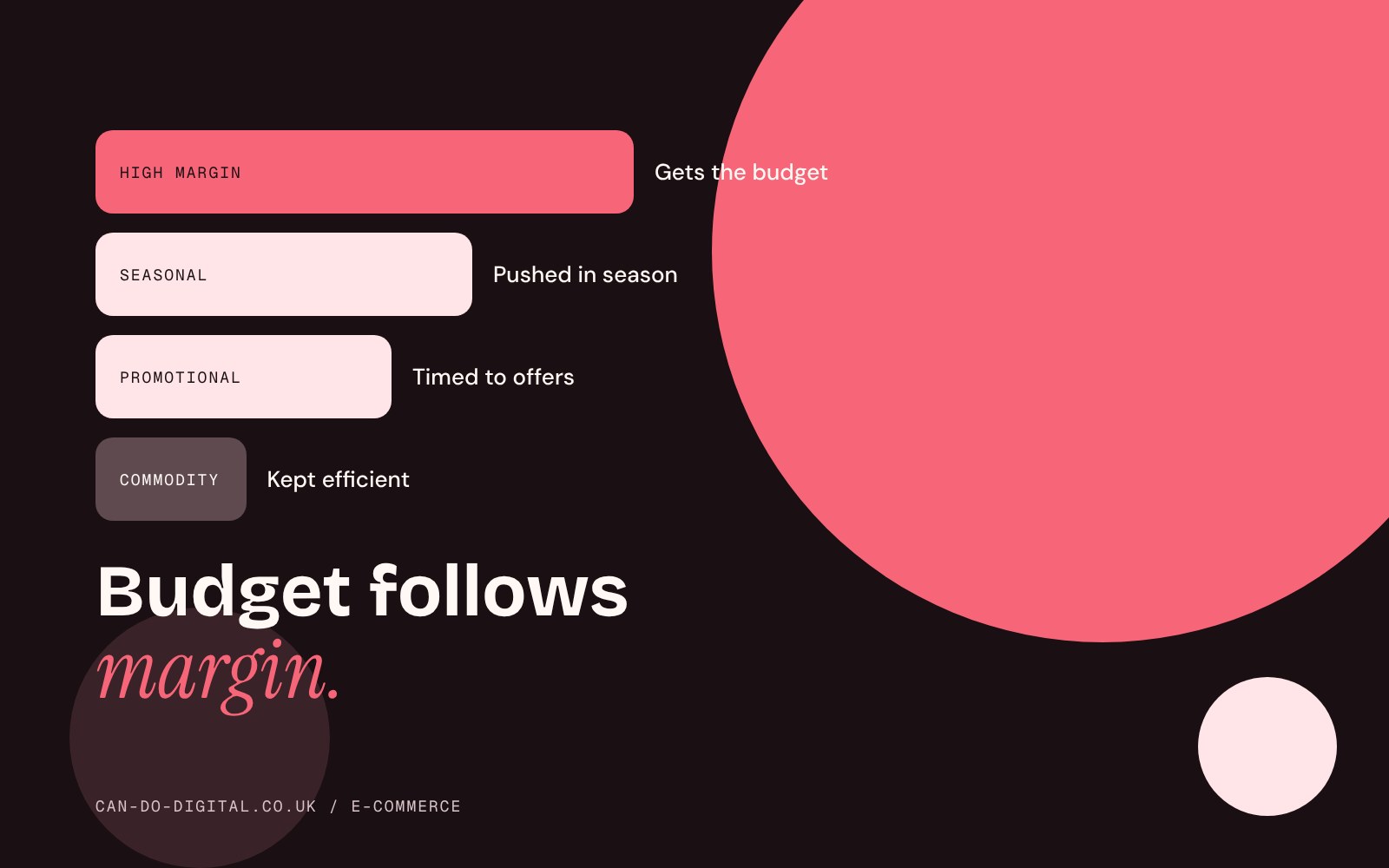
Campaigns split by category and margin, so high-margin lines get the budget.
02
Performance Max you can see into
Asset groups by product type, regular search term checks and negatives, brand kept separate.
03
Feed management
Titles, attributes, custom labels and imagery that match products to the right searches.
04
CSS partnerships
Lower Shopping CPCs through a Comparison Shopping Service, with the saving reinvested.
05
Paid social that sells
Meta and TikTok built around your catalogue and the creative that converts.
06
Tracking you can trust
Purchase tracking checked against your store’s real orders.
CASE STUDY · TRADE MART
The challenge
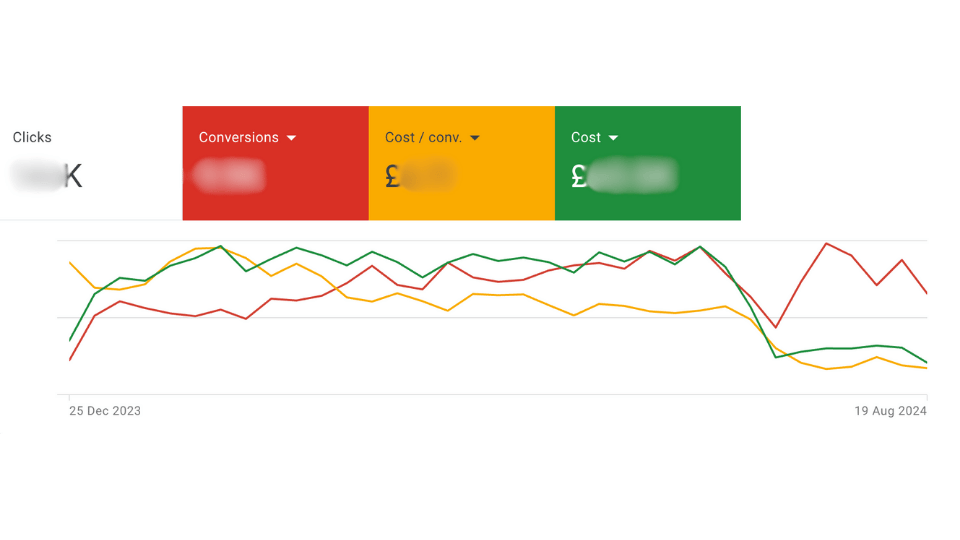
High Shopping CPCs and one broad Performance Max campaign, with no way to prioritise high-margin, seasonal or promotional products.
What we did
- Split Shopping by product category and profit margin
- Partnered with a CSS to cut CPCs, and reinvested the saving
- Replaced the catch-all PMax with margin-aware asset groups
- Built product-level reporting for seasonal planning
 Read the full Trade Mart case study →

CASE STUDY · MAKER & SON · META
Sold out the Australia tour.
−56%
Meta CPM
67,000
accounts reached
2.96%
Meta CTR
“Chris has been such a great asset and really felt like an extension of the team. Always positive and supportive of testing new ideas and applying his expertise to help us achieve the best result possible.”
Sophie Hamblyn, Head of PR & Marketing, Maker & Son
Read the Maker & Son case study →CLIENT STORY
Hear it from The Glenturret.
Scotland’s oldest working distillery on what it’s like to work with Can-Do.
More client stories →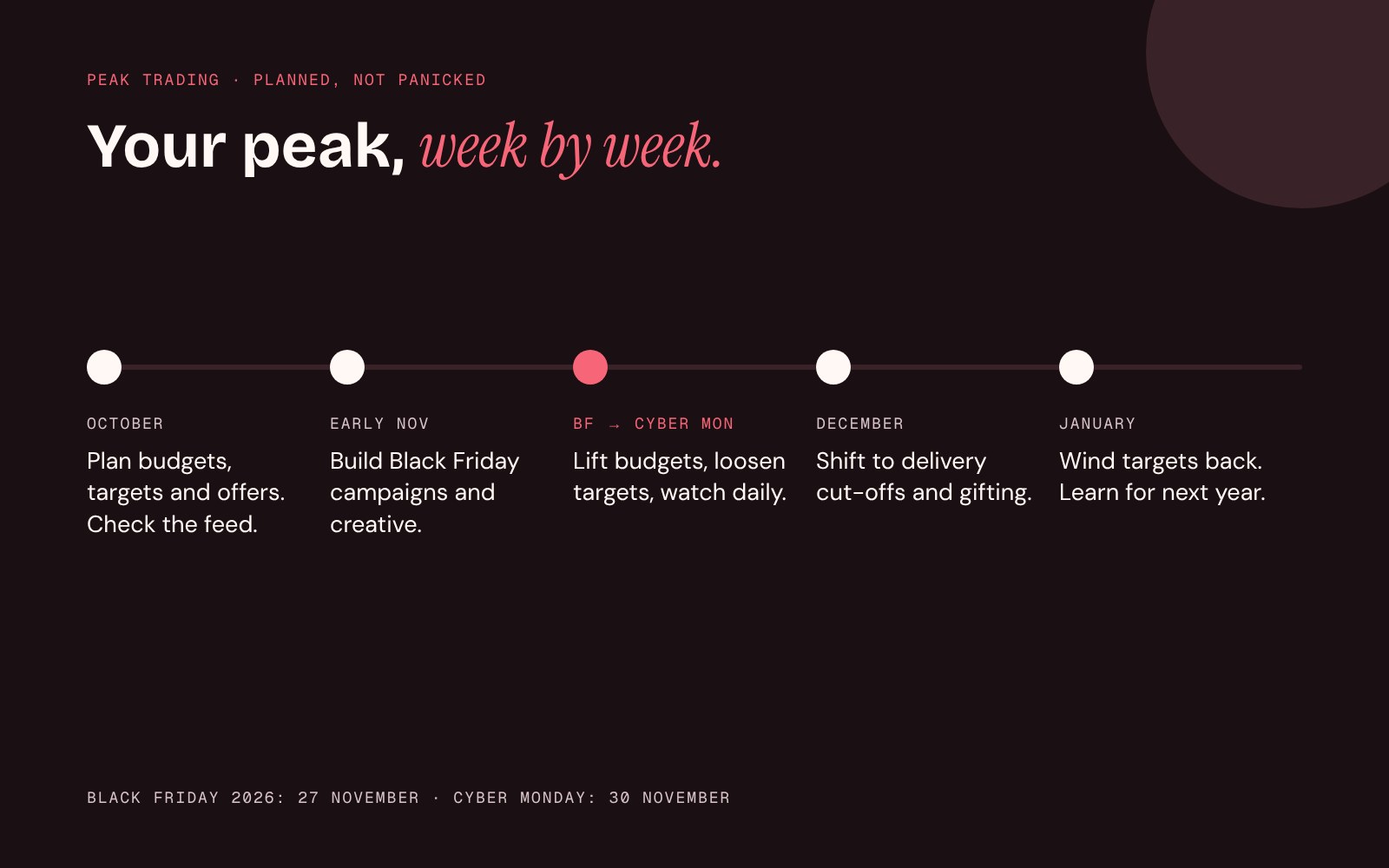
Peak is where most budget is won or lost. We plan budgets, targets and offers in October, run Black Friday week day by day, and wind targets back in January so you don’t overpay into the new year.
Read: Meta’s Black Friday setting to switch off →
E-COMMERCE BRANDS WE’VE GROWN





E-commerce questions
Do you manage our product feed?
Yes. Feed optimisation is part of how we run Shopping and Performance Max: titles, attributes, custom labels and imagery.
Can you optimise for profit rather than revenue?
Yes. We group products by margin so budgets and targets reflect what each line is actually worth to you.
What’s a CSS, and do we need one?
A Comparison Shopping Service runs your Shopping ads through a partner instead of Google Shopping directly, which can lower CPCs. We’ll tell you in the audit whether it’s worth it for you.
How do you charge?
A flat monthly fee, not a percentage of your ad spend, on a rolling 30-day contract.